
SaaS の先駆者、その復活
Buffer は、クリエイター、起業家、スモールビジネスのためのソーシャルメディアツールキットです。持続可能な成長、透明な給与、リモートワーク、コンテンツ主導のマーケティングへの向き合い方は、いまや SaaS 業界に広く根づいた多くの慣行を切り開いてきました。
Buffer の中核的な価値観の 1 つは、まず透明であること。同社は収益と顧客の指標を公開しています。採用の進め方から、新プロダクトの立ち上げや週 4 日勤務の導入で学んだことまで、大きな判断の背景にある考え方も明かしています。
あらゆる犠牲を払って成長しろという圧力が取締役会や外部投資家からかからない以上、作り続けるための推進力はチームの内側から生まれなければなりません。従業員は 100 名未満。一人ひとりが文化に共感し、ミッションを信じていることが求められます。
私たちが最初に Buffer を取り上げたのは 2019 年のことでした。当時、同社は ARR 2,000 万ドルに到達し、ChartMogul を収益データ基盤の中核として使っていました。しかし仕組みが整っていても、成長が一直線に進むことはめったにありません。指標が永遠に伸び続けると期待できる企業など存在しないのです。
新しい時代に向けて、Buffer の成長エンジンを作り直す
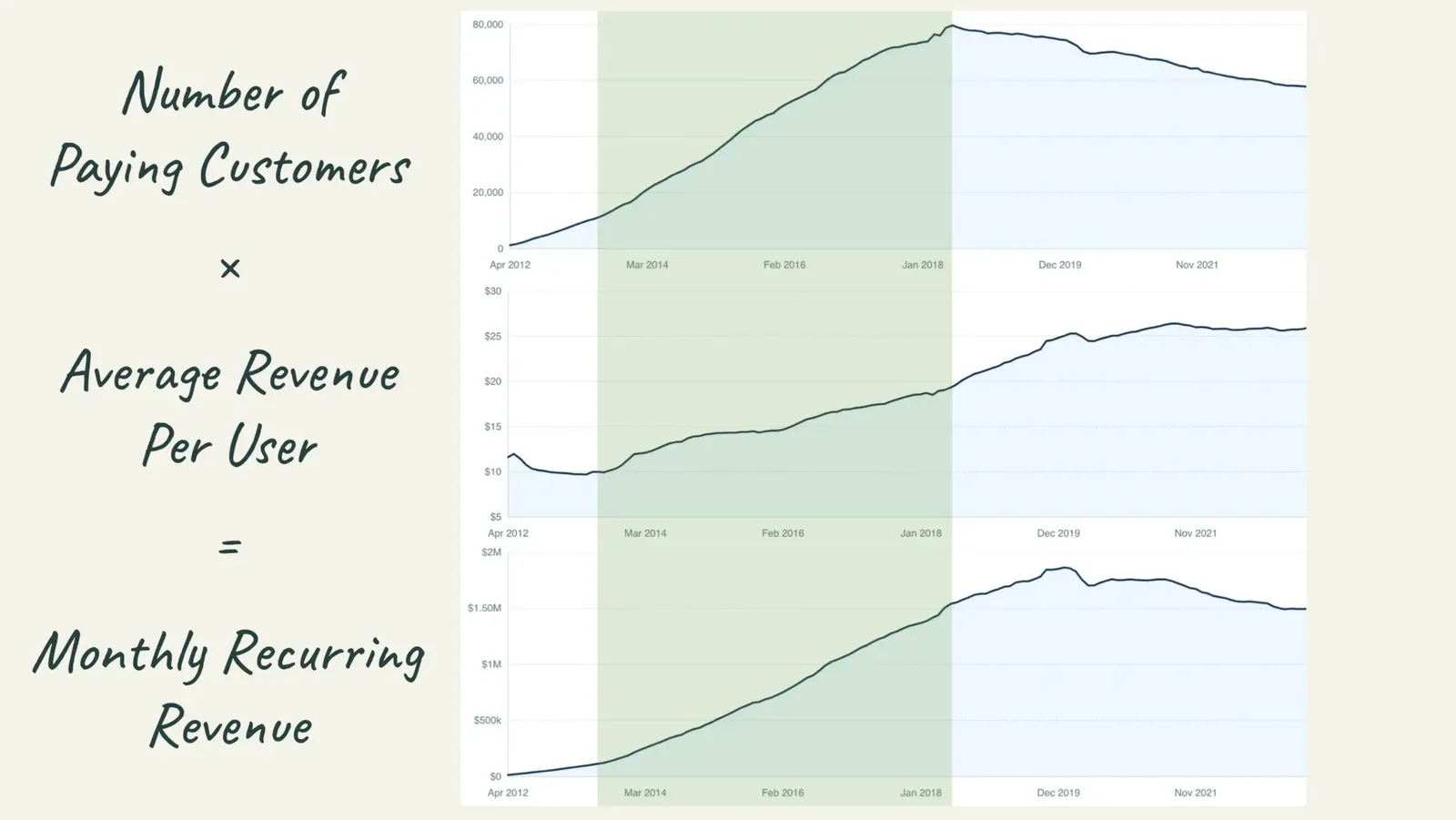
成長するにつれ、Buffer の焦点は小さなクリエイターから D2C ブランドへ移っていきました。マルチプロダクト化し、アップセルでユーザーあたり平均収益(ARPU)を伸ばしていきます。そのトレードオフは、受け入れられるものに見えました。ARPU が伸び続けるかぎり、顧客数が減ってもかまわない、と。ところが顧客数はひたすら減り続けたのです。
2022 年、Buffer は 3 年目の下降局面にありました。MRR は 7.57% 減、純損失は 57 万 3,000 ドル、ランウェイは 21 か月。
ChartMogul のデータを見ると、過去の成長期には顧客数の伸びが ARPU の伸びを上回っていたことが分かりました。ARPU を上げて成長するという戦略を続けるなら、値上げを繰り返さなければなりません。それはエンタープライズ SaaS 企業が採るモデルです。
そこで Buffer は、出発点にあったミッションへ立ち返ります。小さなクリエイターと起業家を支えるというミッションです。新しい戦略が焦点を合わせたのは、よりダウンマーケットの顧客を惹きつけ、新規ユーザーによって成長することでした。
事業を立て直すために、チームは会社の成長への向き合い方そのものを作り直す必要がありました。その一環が、Simon Heaton を Senior Director of Growth Marketing and Data として迎えたことです。高額な有料獲得に頼らず、同社のオーガニックな成長エンジンを見極めてスケールさせることが彼の役割でした。
“SEO and content marketing were a huge part of how Buffer grew in the past,” と彼は説明します。“But we had to reignite content marketing and be much more deliberate about creating content that builds awareness.”
認知への注力は、マーケティングチームの外にも広がっています。Buffer の従業員のおよそ 90% が、自分が作っているもの、デザインしているもの、解いている課題について日常的に発信していて、そうしたコンテンツの多くを Buffer 自身で計画し、投稿しています。
People go on LinkedIn and X and Threads and talk about what they're building, what's going on at Buffer, to start to build more awareness of the brand. We see a lot of our high quality audience coming from those channels. And that's allowed us to garner millions of impressions for pretty much free.
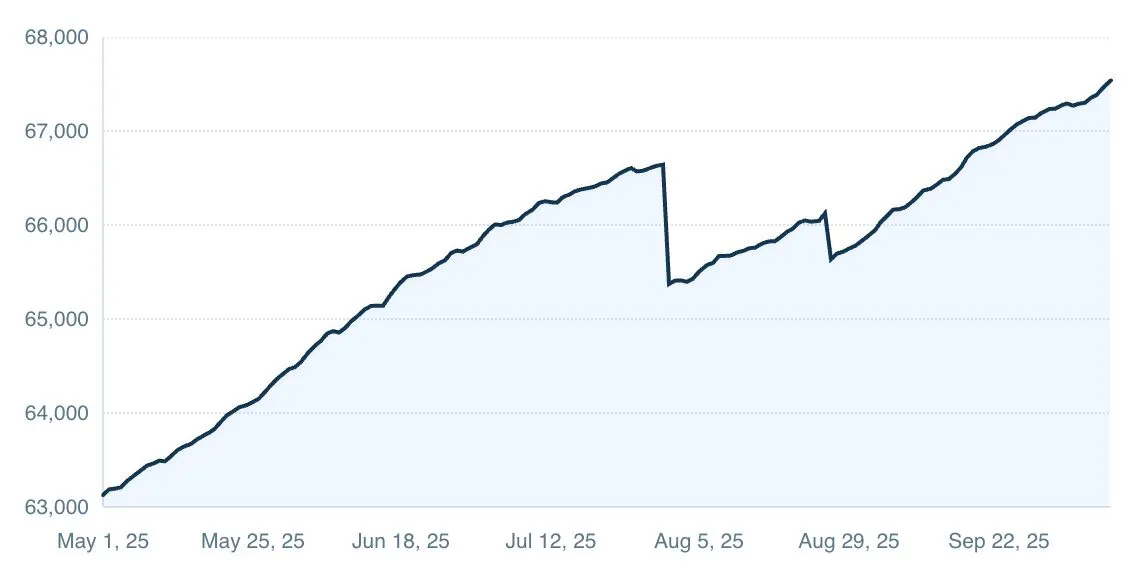
強いプロダクトを作れば口コミは生まれますが、ブランドの背後にある価値観を示すことでも同じことが起きます。2025 年、Buffer は更新前に休眠アカウント 1,200 件を自動で解約すると発表し、MRR 14,000 ドルを意図して手放しました。この判断は共感を呼び、SaaS 業界の人々が Buffer のやり方を共有し、称賛しました。
 Joel Gascoigne @joelgascoigne
 This is one of my favorite charts at Buffer right now.
It's the chart of our number of paying customers. And it might look like we've just experienced some awful churn, but that's not what it is.
Those drops in number of paying customers are when we proactively cancelled... Show more
SEO 戦略の延長として、Buffer はコア市場に届くためにアンサーエンジン最適化にも投資しました。現在ではリードの 40% 以上が ChatGPT 経由で生まれています。
さらに Buffer は Discord サーバーを立ち上げ、顧客との距離を縮めました。1 万人規模のこのコミュニティは新機能をいちばん早く知る場であり、プロダクトの形を左右するフィードバックの源にもなっています。とくに熱心なメンバーの一部は、Buffer とそのローンチを自然に応援してくれる存在になりました。
We have a couple community members who have become so involved with Buffer that they're also just naturally promoting our launches. That type of evangelism is amazing and has been a huge part of reigniting that organic flywheel.
Buffer の MRR は、およそ 150 万ドルで底を打ちました。それ以降、ブランド認知と独立クリエイターへの再注力が力強い回復を支えています。現在、同社は 8 万近くの有料顧客を抱え、ARR は過去最高の 2,600 万ドル、MRR は約 210 万ドルに達しています。
All these things center around Buffer's brand: the culture, the people who work there, the decisions we make. We try to optimize for value creation over value extraction. And we even think about growth internally as value-led. And so that core part of Buffer, and that brand, is our biggest growth asset and loop that we have. One of the strongest things that I uncovered for Buffer is that we can utilize all these different facets. All that together kind of makes this visibility engine.
プロダクトの判断を収益に結びつける
ChartMogul は、Buffer が事業をモニタリングし、次にどこへ投資するかを決めるうえで、いまも重要な役割を担っています。同社のデータスタックでは BigQuery、Segment、Mixpanel、Hex、Customer.io と並んで使われています。
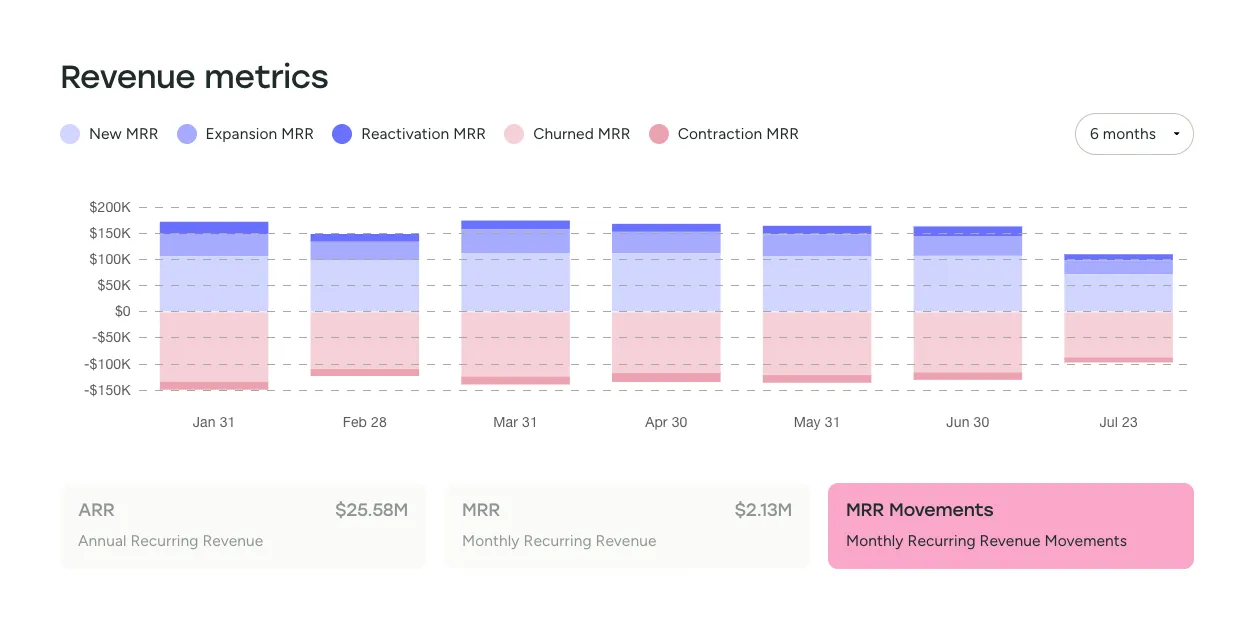
We look at everything in [ChartMogul]. A lot of us are in there every day. I know Joel [Gascoigne, CEO] is in there every day. We use it to look at overall recurring revenue health. We distill into segments and tiers and we try to figure out what's actually driving the topline growth. And it's really cool because the layer is interconnected to our modeling for the business. It's been super valuable to build an understanding of how the various pieces lead to subscriber growth. The MRR movement report is my favorite report by far. It helps us conceptualize the moving parts of a SaaS business.
戦略転換の一環として、Buffer は提供内容を単一プロダクト・単一価格へ統合しました。新しい機能を作る前に、チームは ChartMogul で顧客基盤をセグメントし、グループごとの振る舞いの違いを把握して、ローンチが収益にどれだけ効きうるかを見積もります。
We're still [building for the] down-market but we have mid-market customers that are much higher MRR bands than our average user. They use the product slightly differently and they have different needs. So if we're building for them, we recognize that the adoption might not be to the same degree as a down-market focused feature because there's a smaller cohort there, but the revenue or retention of that revenue associated with the individuals who will use that feature is much higher.
Buffer の拡張収益は主に、顧客がアカウントにソーシャルメディアのチャネルを追加するときに生まれます。ChartMogul は、どの顧客セグメントがその拡張を生んでいるのか、そしてリテンションのパターンがどう違うのかをチームに見せてくれます。
実験を走らせたときには、その結果として生じた MRR ムーブメントを ChartMogul で確かめられます。結果を収益に結び戻すことで、仮説を評価し、どこに時間とリソースを注ぐかを判断できるのです。
We always want to be able to tie [tests] back to [understanding] ‘how much [revenue] did this actually yield?’ That's where ChartMogul comes in. A lot of these tools are pretty interoperable. So we can either pull that data all into Hex or we could pull it into Claude and analyze from multiple sources. And that's been super powerful to inform us of where the opportunities lie.
Buffer の成長回帰は、単一のチャネルや機能、キャンペーンがもたらした結果ではありません。ブランド、プロダクト、コミュニティ、そして成長戦略を、もともと支えようとしていた顧客のまわりに結び直したことから生まれたものです。
ChartMogul は、そうしたプロダクトと成長の判断が収益にどう表れるのかを、チームにはっきりと見せてくれます。ただし、より大きな教訓は Buffer 自身のものです。16 年を経てなお存在感を保つとは、何を守り、何を考え直すべきかを知り、その 2 つを互いに強め合わせる術を知っていることなのです。