
一家 SaaS 先行者的回归
Buffer 是一套面向创作者、创业者和小微企业的社交媒体工具。他们在可持续增长、薪酬透明、远程办公和内容驱动营销上的做法,为如今 SaaS 行业里许多习以为常的实践开了先例。
Buffer 的核心价值观之一,是默认透明。公司公开分享自己的收入和客户指标,也会讲清重大决策背后的思考——从怎么招人,到推出新产品和实行四天工作制学到了什么。
没有董事会或外部投资人施压去不惜代价追求增长,继续往前的动力就必须来自团队内部。公司不到 100 人,每个人都需要认同这套文化、相信这个使命。
我们在 2019 年第一次报道过 Buffer,当时公司 ARR 达到 2,000 万美元,ChartMogul 已经是其收入数据体系的核心一环。但即便系统都到位,增长也很少是一条直线,没有哪家公司能指望自己的指标永远向上。
为新阶段重建 Buffer 的增长引擎
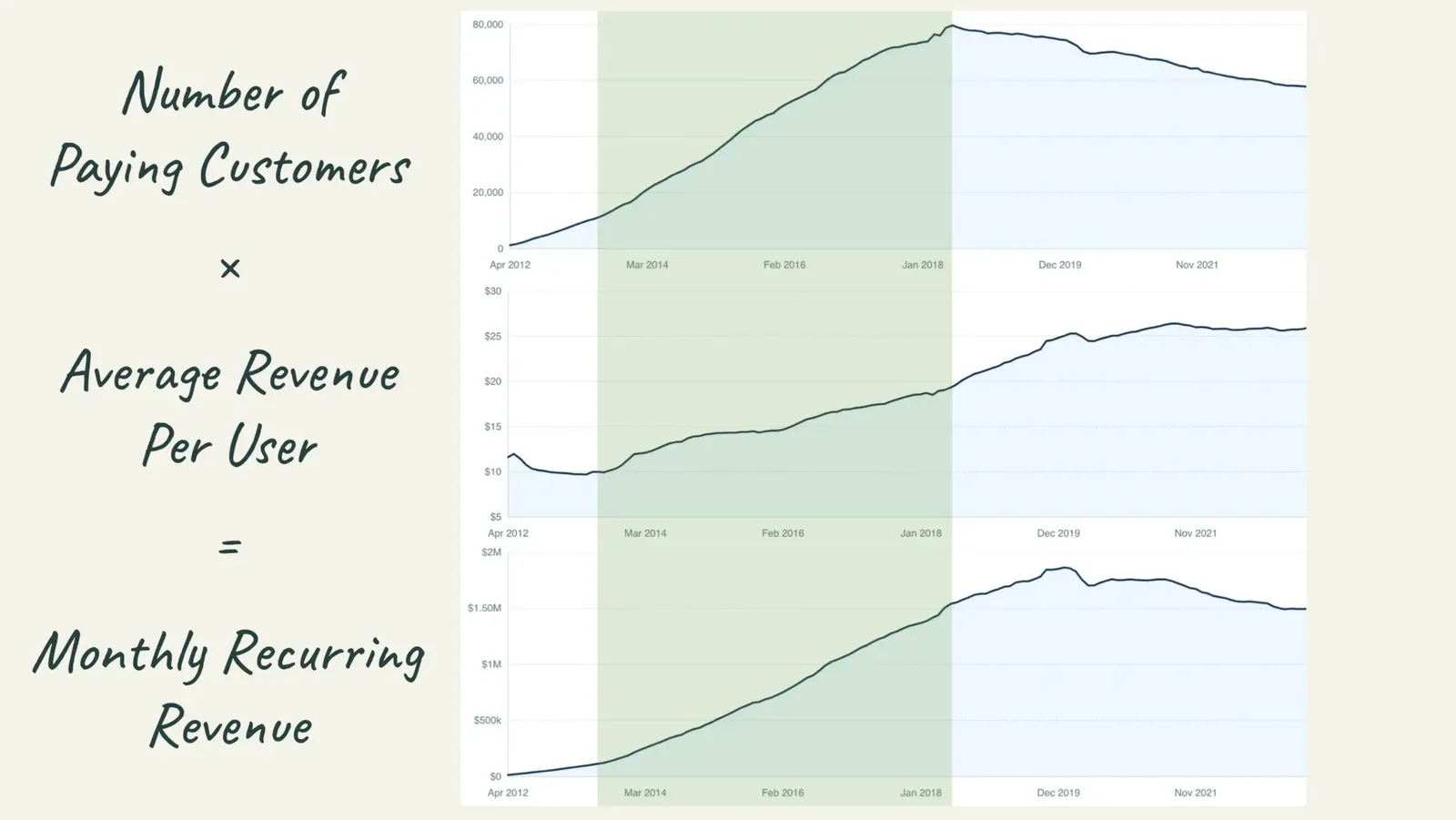
随着 Buffer 变大,他们的重心从小创作者转向了 DTC 品牌。公司走向多产品,通过增购把每用户平均收入(ARPU)做上去。这个取舍看起来是可以接受的:客户少一些没关系,只要 ARPU 继续涨。但客户数就是一直在往下掉。
到 2022 年,Buffer 已经连续第三年下滑:MRR 下降 7.57%,净亏损 57.3 万美元,现金跑道只剩 21 个月。
在 ChartMogul 里翻看数据时,Buffer 发现,在此前那些增长阶段里,客户数的增长一直快于 ARPU 的增长。继续沿着靠提升 ARPU 来增长的策略走下去,就意味着必须不断涨价——那是企业级 SaaS 公司才用的模式。
于是 Buffer 回到了自己出发时的使命:支持小创作者和创业者。新策略的重心,是吸引更多下游市场的客户,靠新用户来增长。
要让业务转向,团队需要重建公司做增长的方式。其中一步是请来 Simon Heaton 担任增长营销与数据高级总监,他的任务是找出并放大公司的自然增长引擎,而不依赖昂贵的付费获客。
“SEO and content marketing were a huge part of how Buffer grew in the past,” 他解释道。“But we had to reignite content marketing and be much more deliberate about creating content that builds awareness.”
这种对品牌认知的重新重视,并不只发生在市场团队。Buffer 大约 90% 的员工会经常分享自己正在做什么、设计什么、解决什么问题,而其中大部分内容的排期和发布,用的就是 Buffer 自己。
People go on LinkedIn and X and Threads and talk about what they're building, what's going on at Buffer, to start to build more awareness of the brand. We see a lot of our high quality audience coming from those channels. And that's allowed us to garner millions of impressions for pretty much free.
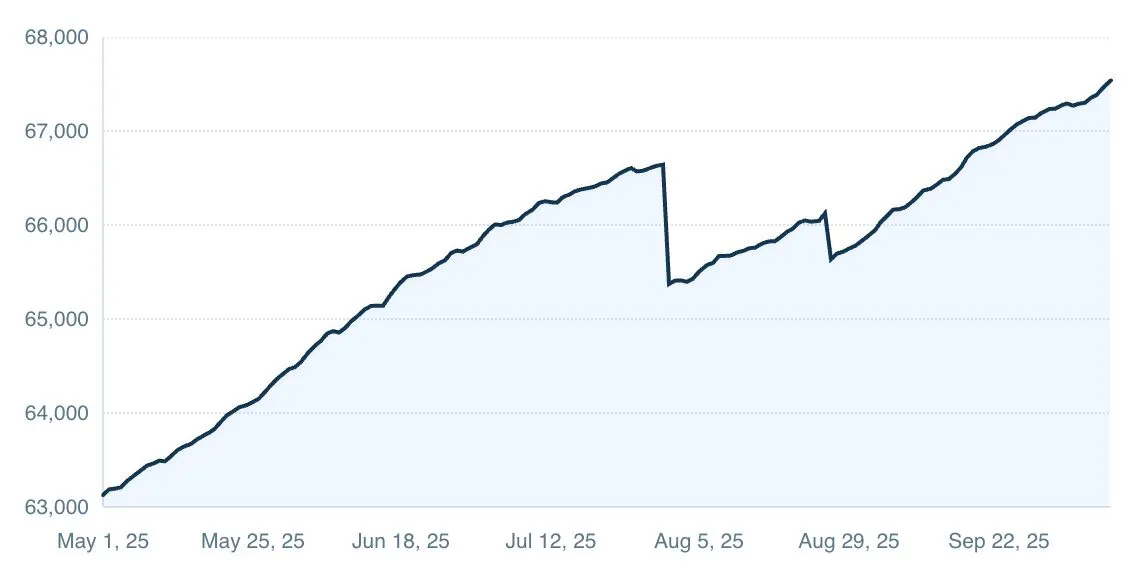
做出好产品能带来口碑传播,展现品牌背后的价值观同样可以。2025 年,Buffer 宣布将在续费前自动取消 1,200 个不活跃账户,主动承受 1.4 万美元 MRR 的损失。这个决定引起了广泛共鸣,SaaS 行业里不少人转发并称赞 Buffer 的做法。
 Joel Gascoigne @joelgascoigne
 This is one of my favorite charts at Buffer right now.
It's the chart of our number of paying customers. And it might look like we've just experienced some awful churn, but that's not what it is.
Those drops in number of paying customers are when we proactively cancelled... Show more
作为 SEO 策略的延伸,Buffer 还投入了答案引擎优化,以触达自己的核心市场。如今,他们 40% 以上的线索来自 ChatGPT。
Buffer 还开了一个 Discord 服务器,和客户建立更近的关系。这个万人社区总是最先知道新功能,也会给出帮助塑造产品的反馈。其中一些最活跃的成员,已经自然而然地成了 Buffer 及其新功能发布的拥护者。
We have a couple community members who have become so involved with Buffer that they're also just naturally promoting our launches. That type of evangelism is amazing and has been a huge part of reigniting that organic flywheel.
Buffer 的 MRR 最低时约为 150 万美元。此后,重新聚焦品牌认知和独立创作者,帮助公司实现了强劲复苏。今天,公司服务近 8 万名付费客户,ARR 达到历史最高的 2,600 万美元,约合 210 万美元 MRR。
All these things center around Buffer's brand: the culture, the people who work there, the decisions we make. We try to optimize for value creation over value extraction. And we even think about growth internally as value-led. And so that core part of Buffer, and that brand, is our biggest growth asset and loop that we have. One of the strongest things that I uncovered for Buffer is that we can utilize all these different facets. All that together kind of makes this visibility engine.
把产品决策与收入连起来
在 Buffer 观察业务、决定下一步投入哪里的过程中,ChartMogul 仍是重要的一环。它与 BigQuery、Segment、Mixpanel、Hex 和 Customer.io 一同构成公司的数据体系。
We look at everything in [ChartMogul]. A lot of us are in there every day. I know Joel [Gascoigne, CEO] is in there every day. We use it to look at overall recurring revenue health. We distill into segments and tiers and we try to figure out what's actually driving the topline growth. And it's really cool because the layer is interconnected to our modeling for the business. It's been super valuable to build an understanding of how the various pieces lead to subscriber growth. The MRR movement report is my favorite report by far. It helps us conceptualize the moving parts of a SaaS business.
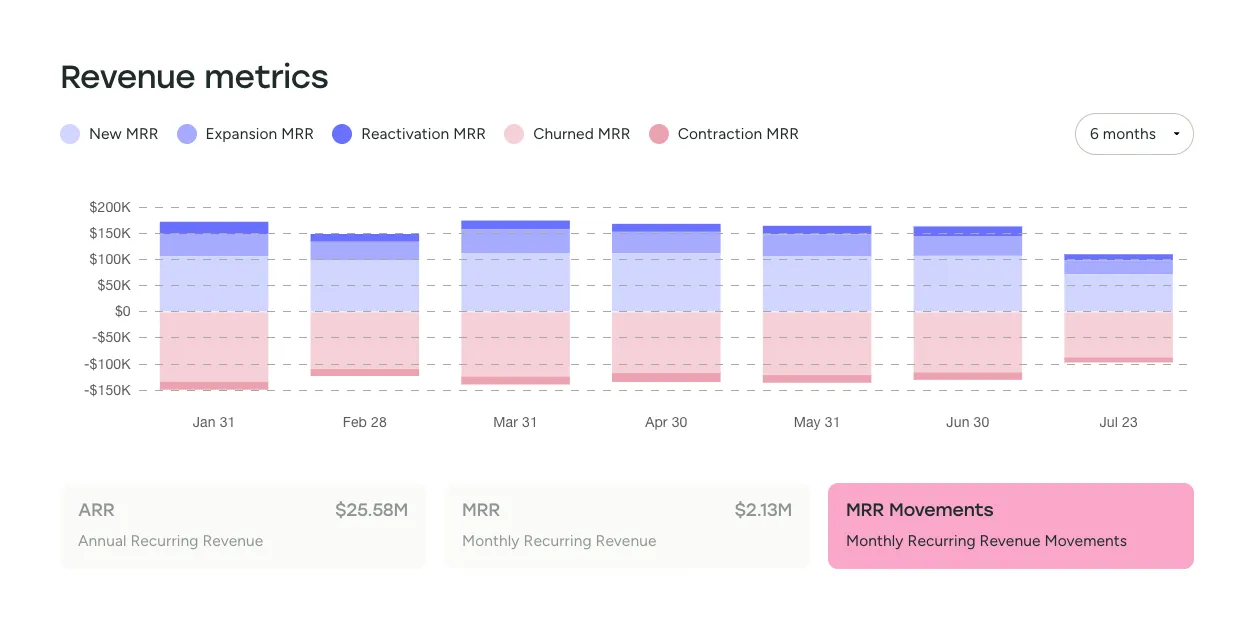
作为策略转向的一部分,Buffer 把产品线整合成单一产品、单一价格。在开发新功能之前,团队会先在 ChartMogul 里对客户群做细分,弄清不同群体的行为差异,评估一次发布可能带来的收入影响。
We're still [building for the] down-market but we have mid-market customers that are much higher MRR bands than our average user. They use the product slightly differently and they have different needs. So if we're building for them, we recognize that the adoption might not be to the same degree as a down-market focused feature because there's a smaller cohort there, but the revenue or retention of that revenue associated with the individuals who will use that feature is much higher.
Buffer 的扩张收入主要来自客户在账户里添加更多社交媒体渠道。ChartMogul 帮团队看清是哪些客群贡献了这部分扩张,以及他们的留存表现有何不同。
每做一次实验,团队都能在 ChartMogul 里查看由此产生的 MRR 变动。把结果连回收入,有助于他们检验假设、决定把时间和资源投到哪里。
We always want to be able to tie [tests] back to [understanding] ‘how much [revenue] did this actually yield?’ That's where ChartMogul comes in. A lot of these tools are pretty interoperable. So we can either pull that data all into Hex or we could pull it into Claude and analyze from multiple sources. And that's been super powerful to inform us of where the opportunities lie.
Buffer 重回增长,并不是靠某一个渠道、某一个功能或某一场活动。它来自把品牌、产品、社区和增长策略,重新围绕自己最初想服务的那群客户对齐起来。
ChartMogul 让团队清楚看到这些产品和增长决策如何体现在收入上,但更大的启示属于 Buffer 自己:走过 16 年,保持相关性意味着知道什么该守住、什么该重新想,以及如何让两者互相成就。