
一家 SaaS 先驅的回歸
Buffer 是一套給創作者、創業者與小型企業使用的社群媒體工具組。他們在永續成長、薪資透明、遠端工作與內容導向行銷上的做法,開創了許多如今在 SaaS 圈已成常態的實務。
Buffer 的核心價值之一,是預設走向透明。公司公開分享自己的營收與客戶指標,也會說明重大決策背後的思考——從如何招募,到推出新產品和實施每週四天工作制學到了什麼。
沒有董事會或外部投資人逼著你不計代價追求成長,持續往前推的動能就必須從團隊內部來。在員工不到 100 人的規模下,每個人都得認同這個文化、相信這個使命。
我們在 2019 年第一次寫過 Buffer,當時公司 ARR 達到 2,000 萬美元,並把 ChartMogul 當成營收資料架構的核心。但即使系統都到位了,成長也很少是一條直線,沒有任何公司能期待自己的指標永遠往上。
為新時代重建 Buffer 的成長引擎
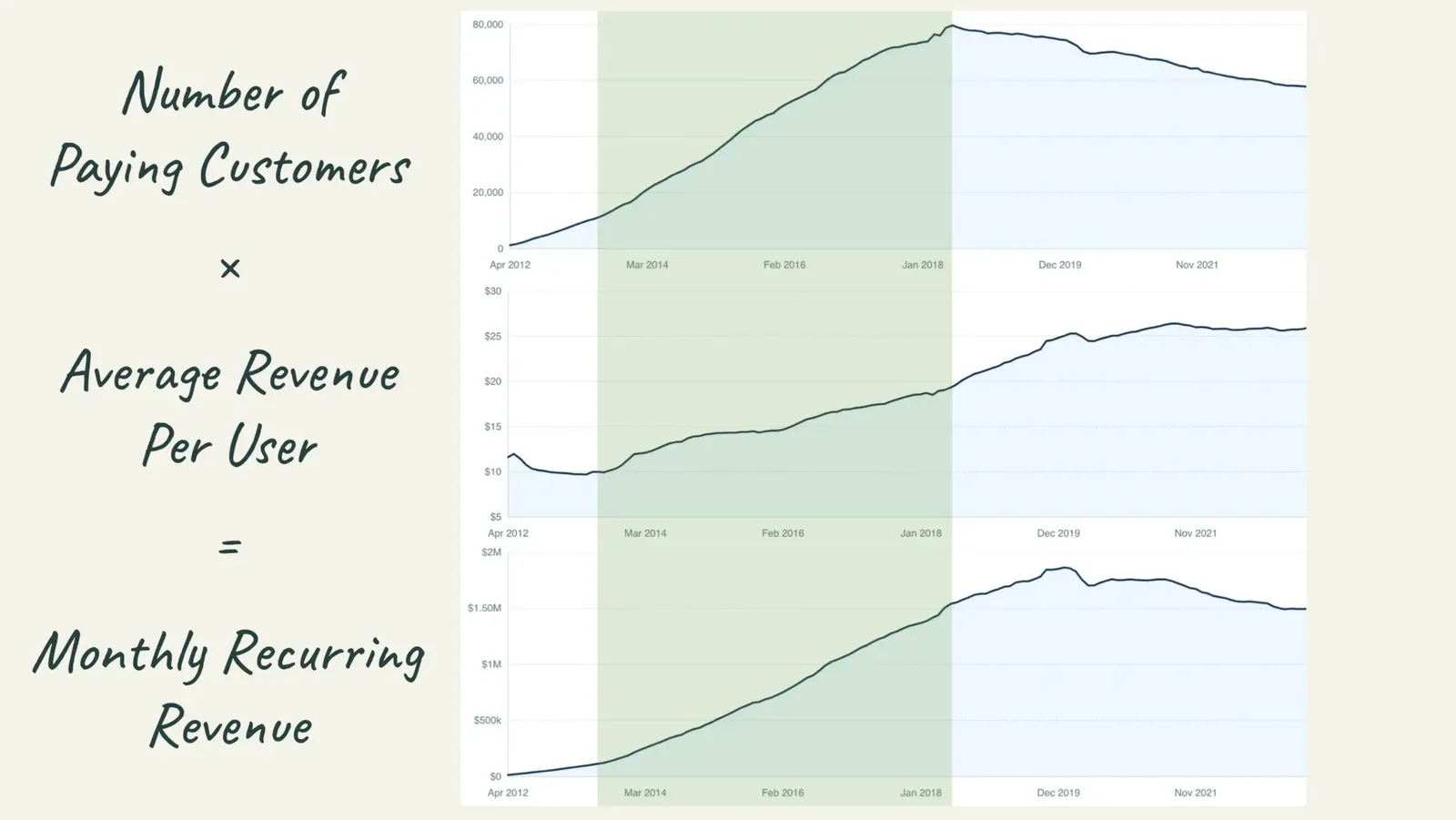
隨著 Buffer 長大,重心從小型創作者轉向直接面對消費者的品牌。他們走向多產品,靠加價銷售把每位使用者平均營收(ARPU)拉高。這筆交換看起來還可以接受:客戶少一些沒關係,只要 ARPU 持續上升。但客戶數就是一直往下掉。
到了 2022 年,Buffer 已經連續第三年衰退:MRR 下滑 7.57%、淨損 57.3 萬美元,現金跑道只剩 21 個月。
從 ChartMogul 的資料裡,Buffer 看到在更早的成長階段,客戶成長的速度其實快過 ARPU 成長。繼續走靠拉高 ARPU 來成長的路線,就意味著必須不斷漲價——那是企業級 SaaS 公司在用的模式。
於是 Buffer 回到最初的使命:支持小型創作者與創業者。新的策略把重點放在吸引更多中小型客戶,並靠新使用者帶動成長。
為了讓生意翻轉,團隊必須重建公司看待成長的方式。其中一步,是請來 Simon Heaton 擔任成長行銷與數據資深總監,他的任務是找出並放大公司的自然成長引擎,而不必依賴昂貴的付費獲客。
“SEO and content marketing were a huge part of how Buffer grew in the past,” 他解釋。“But we had to reignite content marketing and be much more deliberate about creating content that builds awareness.”
這股重新聚焦在品牌認知上的力道,並不只限於行銷團隊。Buffer 約有 90% 的員工會定期分享自己正在打造、設計與解決的事,而其中大部分內容,都是用 Buffer 自己來排程與發布的。
People go on LinkedIn and X and Threads and talk about what they're building, what's going on at Buffer, to start to build more awareness of the brand. We see a lot of our high quality audience coming from those channels. And that's allowed us to garner millions of impressions for pretty much free.
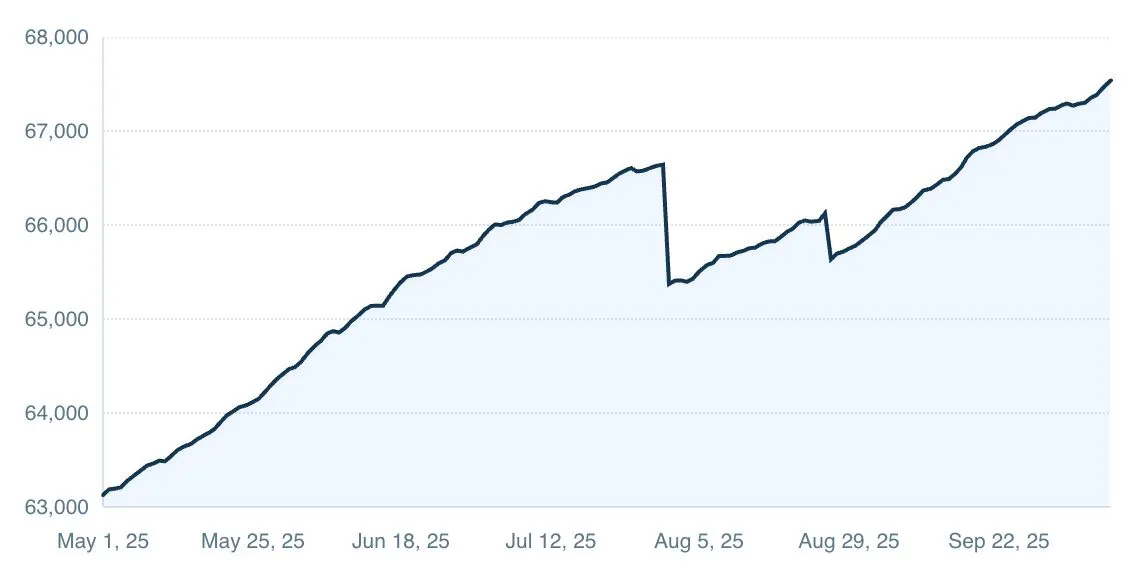
做出好產品能帶動口碑,展現品牌背後的價值觀也能。2025 年,Buffer 宣布將在續約前自動取消 1,200 個閒置帳戶,主動承受 14,000 美元 MRR 的損失。這個決定引起共鳴,讓 SaaS 圈許多人主動分享、稱讚 Buffer 的做法。
 Joel Gascoigne @joelgascoigne
 This is one of my favorite charts at Buffer right now.
It's the chart of our number of paying customers. And it might look like we've just experienced some awful churn, but that's not what it is.
Those drops in number of paying customers are when we proactively cancelled... Show more
作為 SEO 策略的延伸,Buffer 也投資答案引擎最佳化,以觸及自己的核心市場。今天,他們有超過 40% 的潛在客戶是透過 ChatGPT 來的。
Buffer 也開了一個 Discord 伺服器,和客戶建立更緊密的關係。這個一萬人的社群是最早知道新功能的一群人,也提供了形塑產品的回饋。其中最投入的一些成員,還自然而然成了 Buffer 與新功能發布的擁護者。
We have a couple community members who have become so involved with Buffer that they're also just naturally promoting our launches. That type of evangelism is amazing and has been a huge part of reigniting that organic flywheel.
Buffer 的 MRR 最低點大約落在 150 萬美元。此後,重新聚焦品牌認知與獨立創作者的策略,撐起了一波強勁的復甦。今天,公司服務將近 80,000 名付費客戶,ARR 也創下 2,600 萬美元的歷史新高,換算下來約是 210 萬美元的 MRR。
All these things center around Buffer's brand: the culture, the people who work there, the decisions we make. We try to optimize for value creation over value extraction. And we even think about growth internally as value-led. And so that core part of Buffer, and that brand, is our biggest growth asset and loop that we have. One of the strongest things that I uncovered for Buffer is that we can utilize all these different facets. All that together kind of makes this visibility engine.
把產品決策連結到營收
ChartMogul 仍然是 Buffer 監控業務、決定下一步投資方向的重要一環。在公司的資料架構裡,它和 BigQuery、Segment、Mixpanel、Hex 與 Customer.io 並列。
We look at everything in [ChartMogul]. A lot of us are in there every day. I know Joel [Gascoigne, CEO] is in there every day. We use it to look at overall recurring revenue health. We distill into segments and tiers and we try to figure out what's actually driving the topline growth. And it's really cool because the layer is interconnected to our modeling for the business. It's been super valuable to build an understanding of how the various pieces lead to subscriber growth. The MRR movement report is my favorite report by far. It helps us conceptualize the moving parts of a SaaS business.
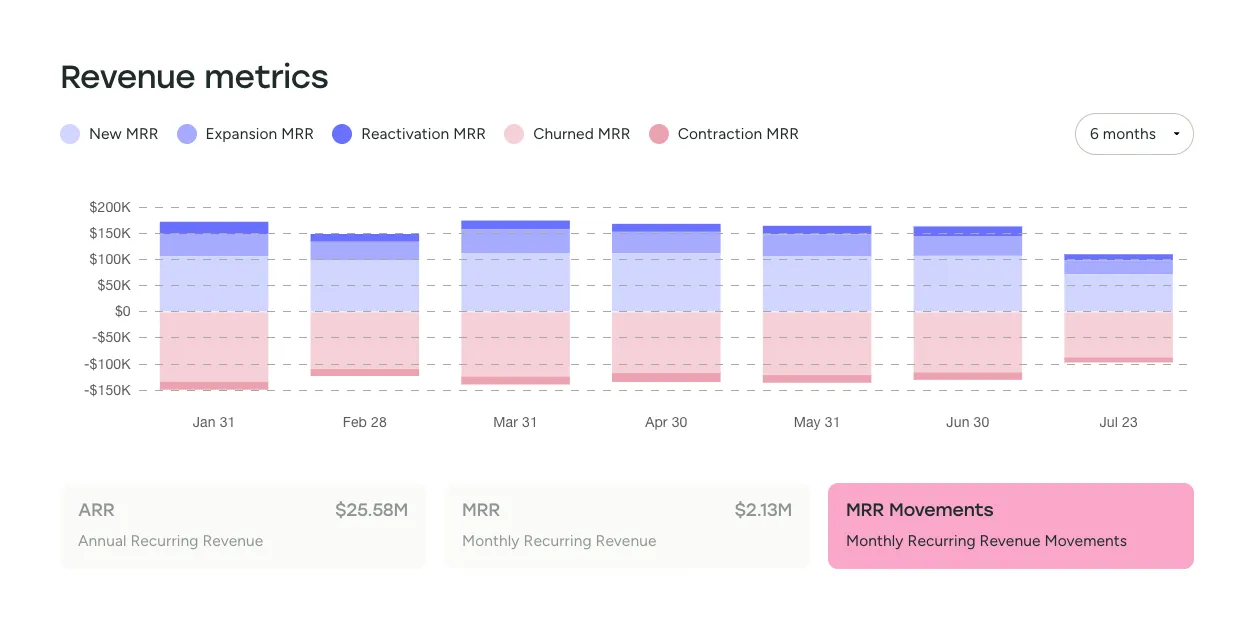
作為策略轉向的一部分,Buffer 把產品線收攏成單一產品、單一價格。在動手做新功能之前,團隊會先在 ChartMogul 裡把客戶分群,了解不同族群的行為,並評估這次發布可能帶來的營收影響。
We're still [building for the] down-market but we have mid-market customers that are much higher MRR bands than our average user. They use the product slightly differently and they have different needs. So if we're building for them, we recognize that the adoption might not be to the same degree as a down-market focused feature because there's a smaller cohort there, but the revenue or retention of that revenue associated with the individuals who will use that feature is much higher.
Buffer 的擴張主要來自客戶在帳戶裡增加更多社群媒體頻道。ChartMogul 讓團隊看清是哪些客戶區隔帶來這些擴張,以及他們的續留模式有什麼不同。
每當 Buffer 做一次實驗,團隊都能在 ChartMogul 裡檢視隨之而來的 MRR 變動。把結果接回營收,能幫他們檢驗假設,並決定要把時間與資源投在哪裡。
We always want to be able to tie [tests] back to [understanding] ‘how much [revenue] did this actually yield?’ That's where ChartMogul comes in. A lot of these tools are pretty interoperable. So we can either pull that data all into Hex or we could pull it into Claude and analyze from multiple sources. And that's been super powerful to inform us of where the opportunities lie.
Buffer 重回成長,不是靠某一個通路、某一項功能或某一場活動。它來自把品牌、產品、社群與成長策略,重新扣回到公司最初想服務的那群客戶身上。
ChartMogul 讓團隊清楚看見這些產品與成長決策如何反映在營收上,但更大的一課屬於 Buffer 自己:走過 16 年,要保持不被時代淘汰,關鍵在於知道什麼該守住、什麼該重新想過,以及如何讓兩者互相加強。